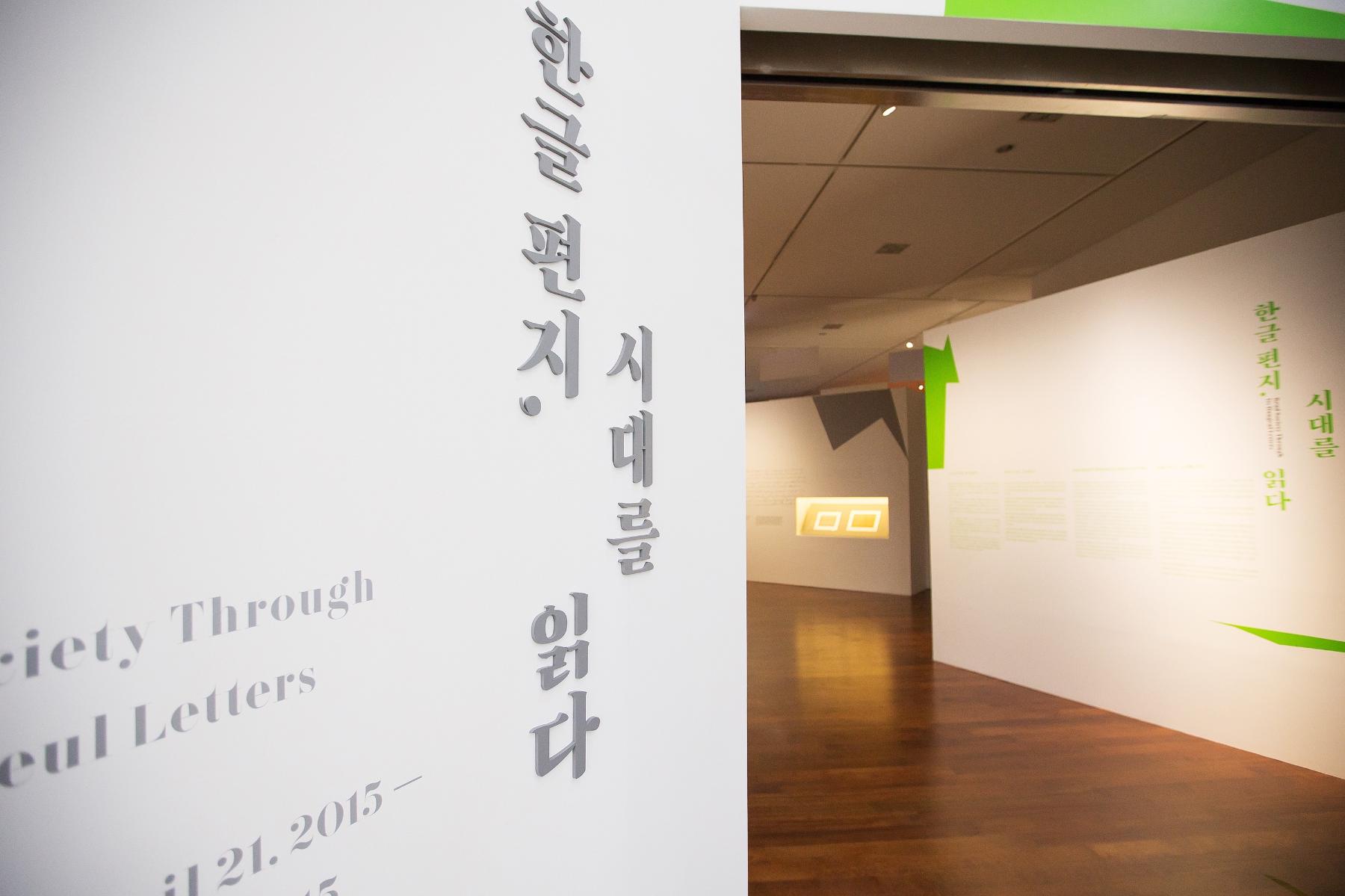
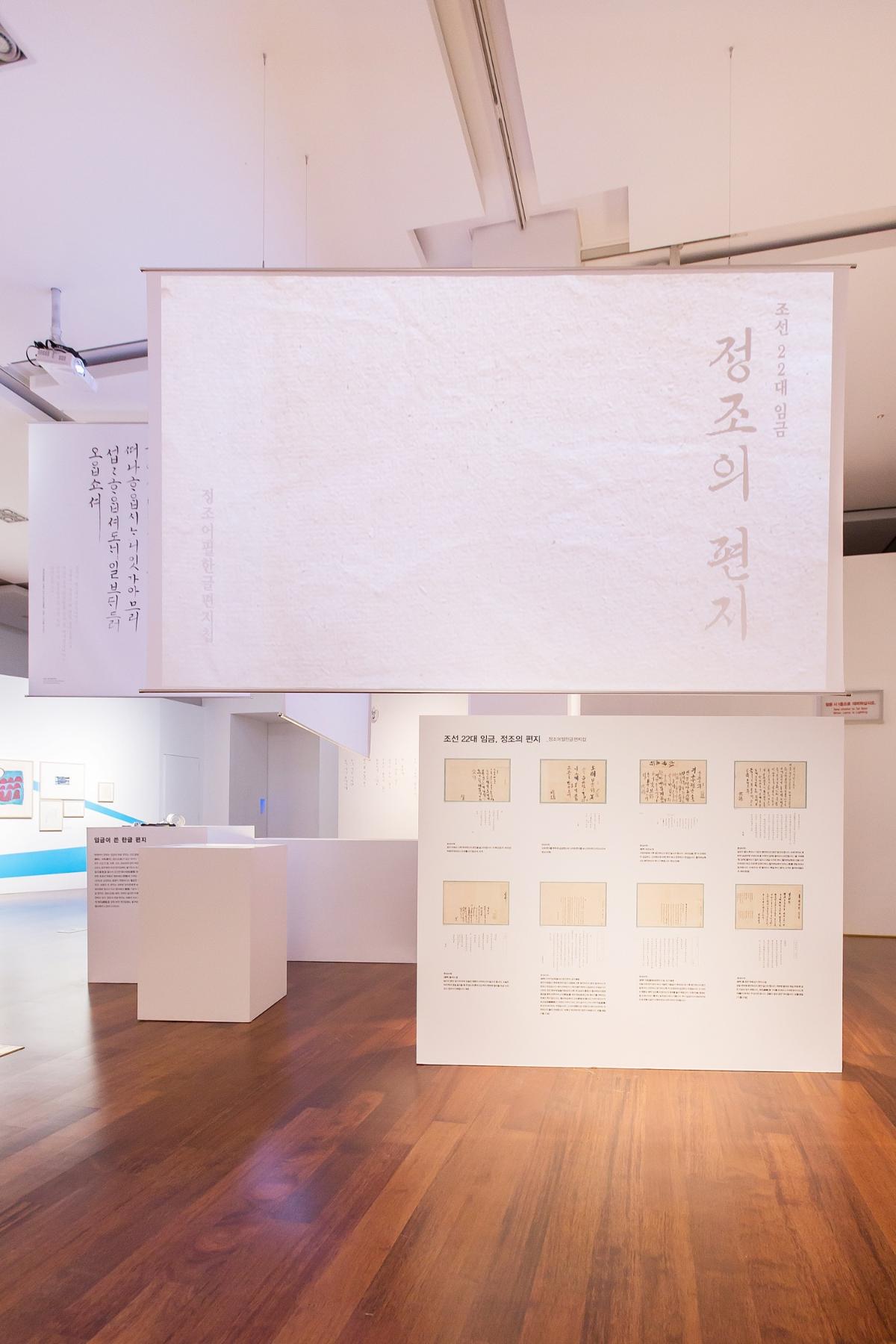
Handwritten Hangeul letters had been the dominant form of communication since the invention of Hangeul. They were written by all people of Joseon regardless of the social standings from kings to commoners. As a result, they played an important role in disseminating Hangeul.
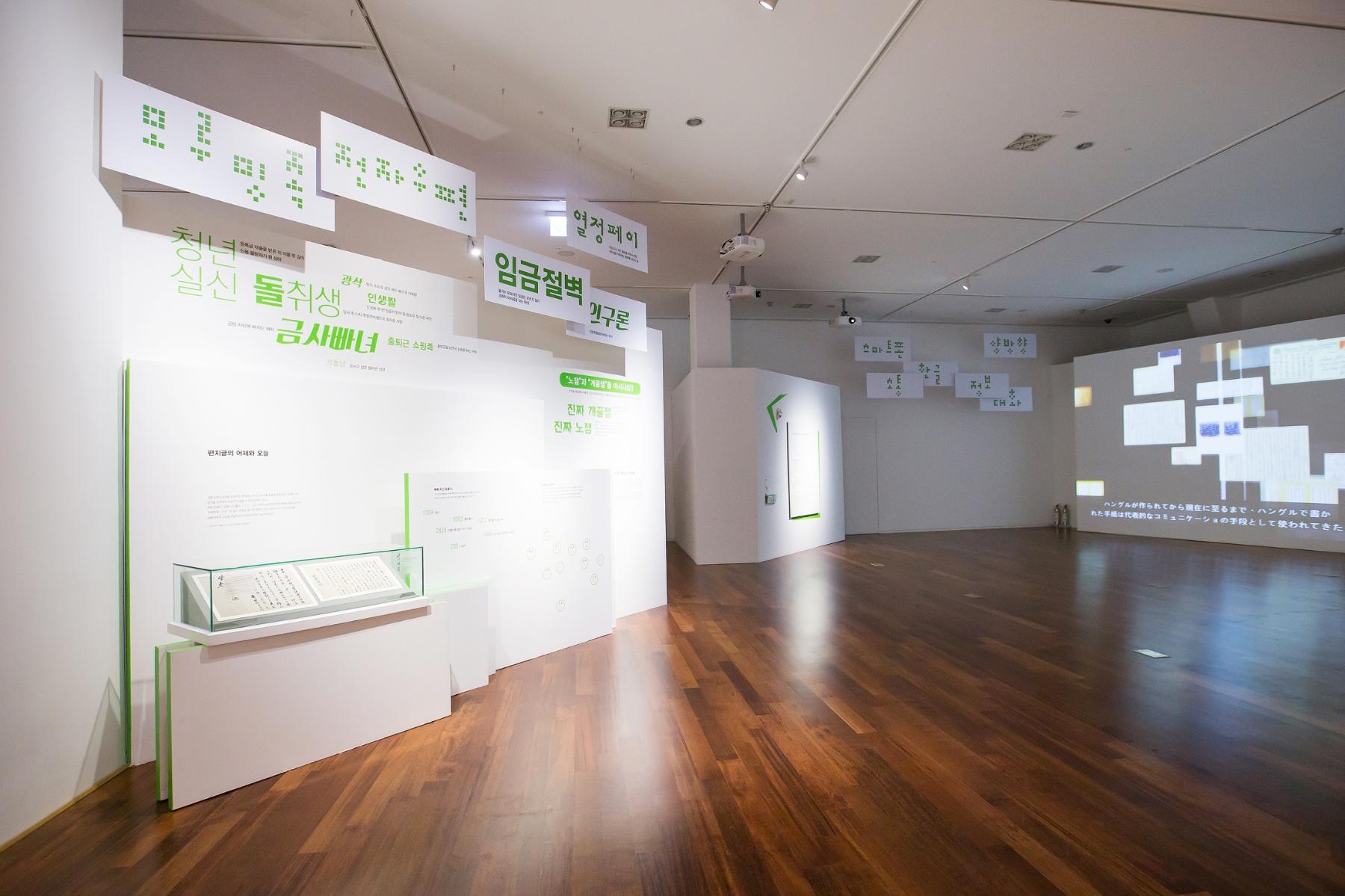
However, the role of Hangeul and Hangeul letters has changed as handwritten letters are replaced by social networking services. Hangeul letters today, not only serves as a means of communication among individuals but also expands its capability to creating public opinions and initiating social changes.
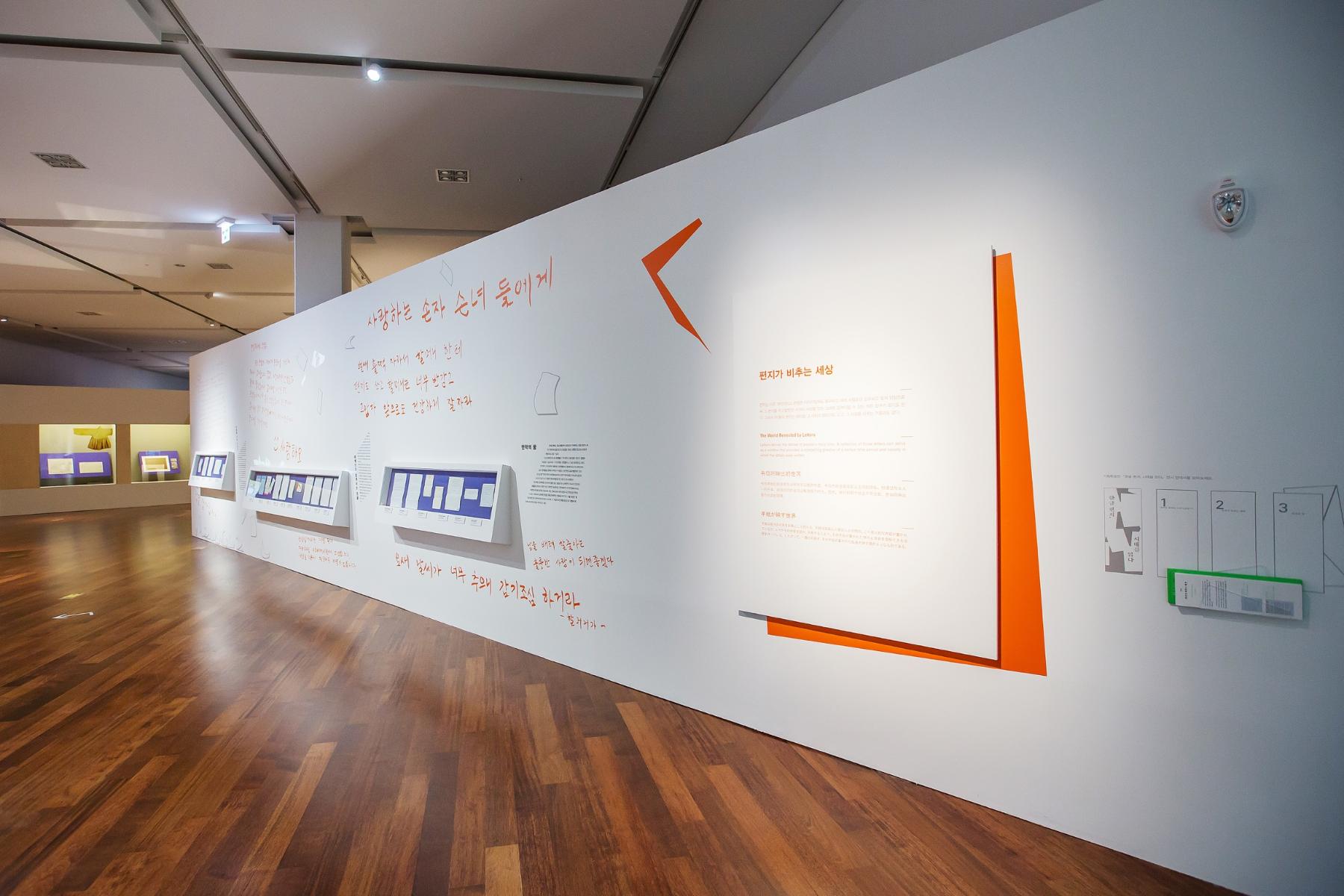
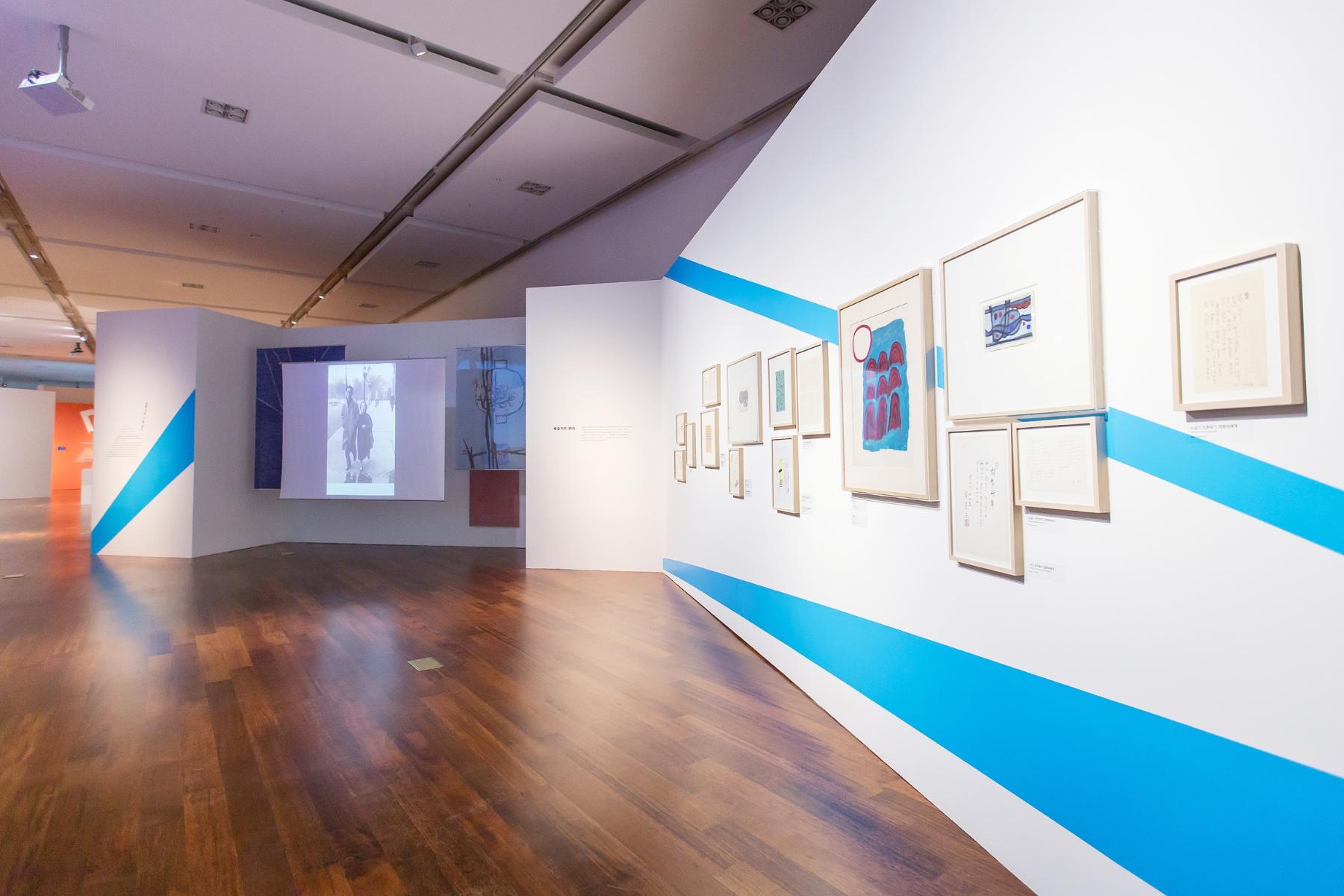
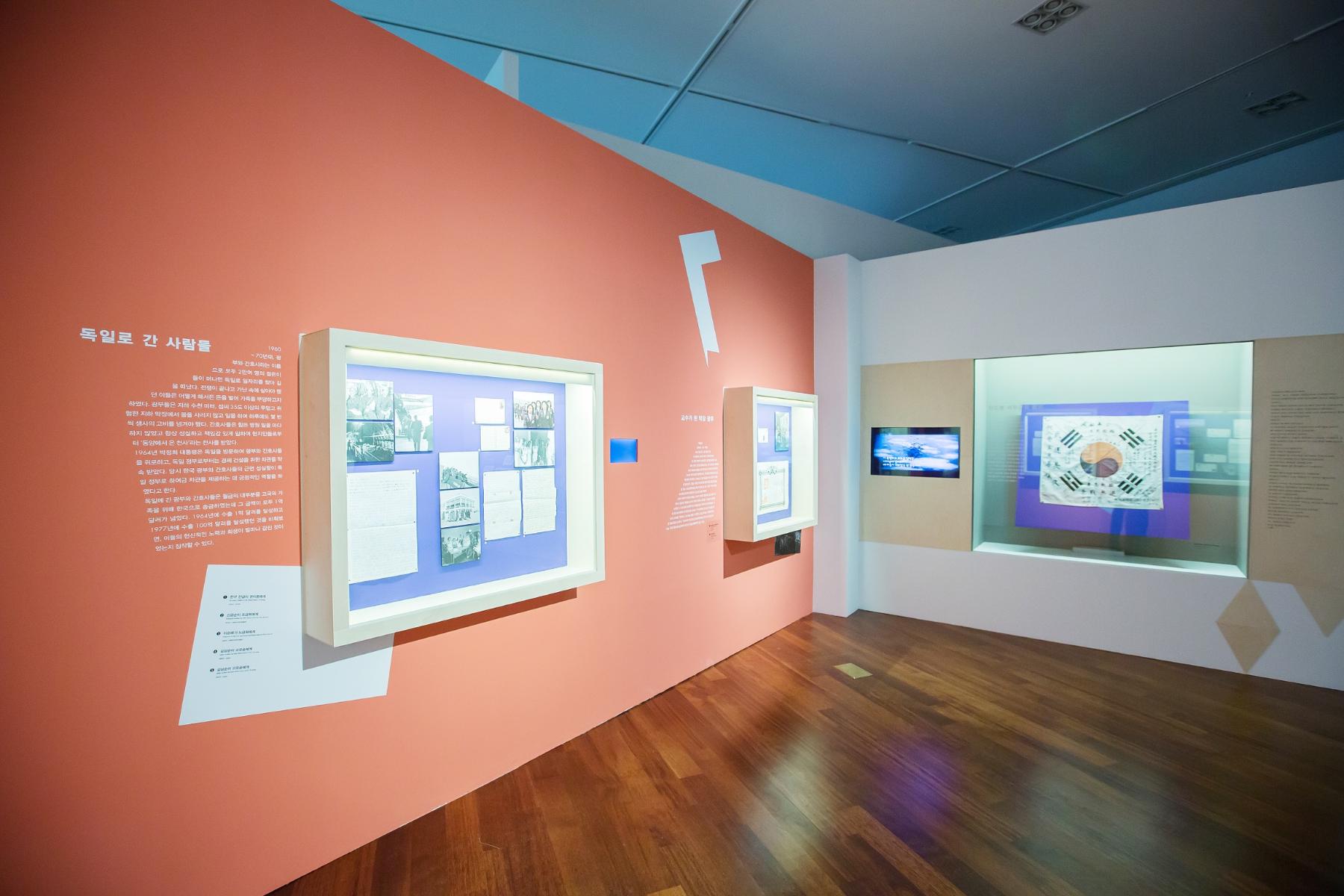
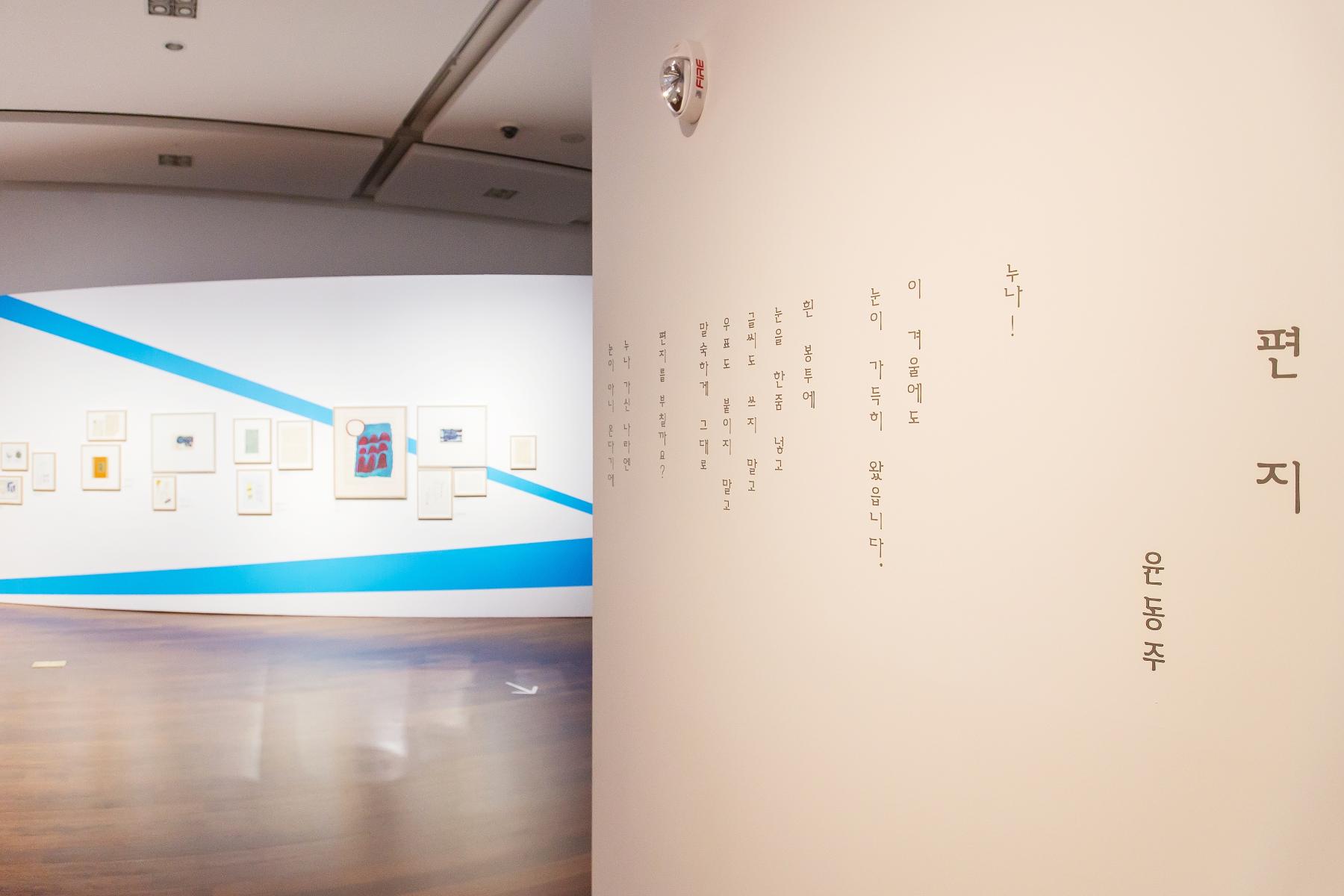
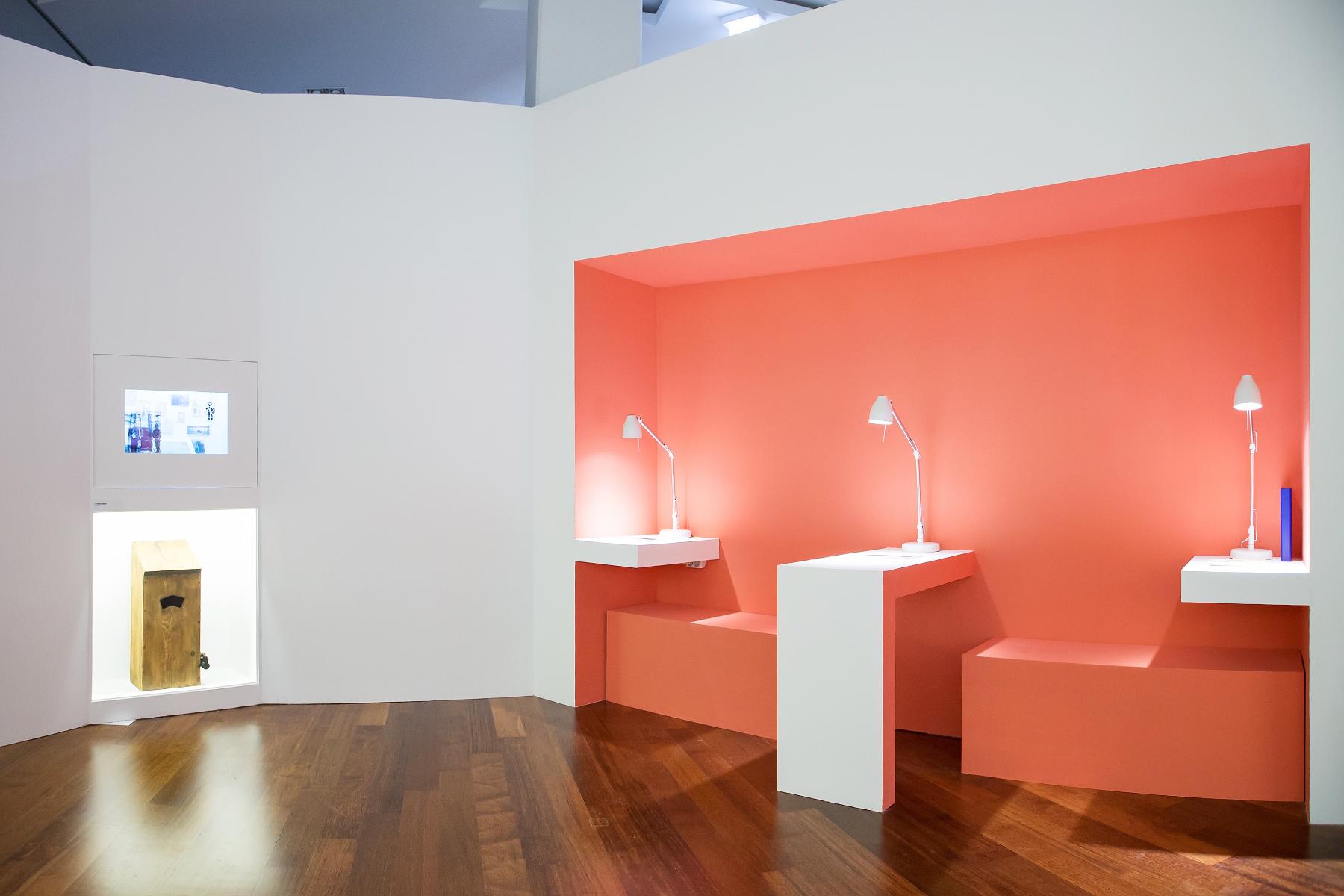
The stories of the past and present are reflected in the Hangeul letters that contain small details of everyday lives. The exhibition is to present Hangeul letters from various perspectives such as arts, design, Korean language, history, and culture.
Hopes of belated learning
Literacy refers to the ability to read and understand texts in everyday lives. It’s the opposite concept of illiteracy which means a person can not read or write because of lack of education.
The illiteracy rate of Korean people was 78% in 1945. It went down to 4.1% in 1958 as the government-led measures to eradicate illiteracy had been implemented. However, it’s not easy to figure out the rate accurately because proper surveys had not been taken place until 1990. According to the research on the illiteracy of Korean adults carried out by the Korean Educational Development Institute (KEDI) in 2001, 24.8 % of them were found to have difficulty in reading, writing and using arithmetic.
The meaning of the term, literacy, has been expanded to include the most fundamental ability necessary for leading decent lives. The government is taking measures to promote education programs for up to 5.7 million adults who are less educated or illiterate. The current definition of the term is specified in the Lifelong Education Act revised as in December 2007. Local governments are actively involved in supporting these education programs.
▲ A letter to grandchildren written by a grandmother named, Yi Su-ja, who has learned Hangeul recently from a program run by Youngdeungpo- gu office.
Hangeul around the world
The number of people who are willing to learn Korean language and culture has increased significantly worldwide with the popularity of Korean pop culture and economic growth. The government is operating King Sejong Institute around the globe from 2007 to help them.
Sejonghakdang (King Sejong Institute) is a brand name that the Korean government launched in order to comprehensively provide Korean language learners with an integrated study and information service. "Sejonghakdang" is expected to be developed as the brand for Korean-learning Institutes around the world. The first branch was established in Ulan Bator, Mongolia. 130 branches are operating worldwide in over 54 contries as of April 2015. Around 44,000 foreigners encountered Korean language and culture in 2014 alone and many are following their dreams through Sejonghakdang today.
▲ This is Pak Yulya’s letter to her teacher who taught Hangeul to her in Sejonghakdang, Tashkent, Uzbekistan.
People who have gone to Vietnam
The Korean government sent around 300,000 troops during the Vietnam War from 1964 to 1973. The number of Korean soldiers who fought in the war was the second largest after the United States.
▲ This is a letter written by a soldier who was sent to the Vietnam war to his older sister.
The United States paid Korean soldiers 236 million dollars for their efforts in Vietnam, and Korean GNP increased five-fold during the war. However, about 5,000 Koreans were killed and 80,000 are still suffering long-term effects of exposure to defoliants during the war.
Letters that couldn’t be delivered
The National Archives and Records Administration (NARA) is an independent agency of the United States government charged with preserving and documenting government and historical records. It preserves considerable amount of North Korean troops’ documents including approximately 860 personal letters and postcards written by North Korean soldiers. They are thought to have been taken by American troops before being delivered to their families during the Korean War.
The contents of the letters seem to be very similar which indicates that they were probably written under some sort of control. Nevertheless, each and every story tells us the horrors of the war in their own way.
▲ A mother’s letter to her son shows how desperate she is in wishing him to be safe in the battlefield.
The life of slaves
Nobi were part of the lowest class during the Joseon Dynasty. “No” were male slaves and “bi” were female ones.
Most nobis were dependent on their masters for their living because they were not allowed to own any land. Running away to be free wouldn’t mean much for them since it would be impossible to get any basic necessities then.
▲ Letter written by a landlord to his slave that tells him to pay tax on the land This implies that the slave could read Hangeul in which the letter was written.
The earlist Hangeul letter in existence
Many records have been found in the Annals of the Joseon Dynasty stating that Hangeul letters were exchanged. From these documents we could see that Hangeul was used to write letters in everyday lives from 15th century.
The earliest Hangeul letter discovered is the one that is thought to be written by Na Sin-geol (1461 ~ 1524) in 1490s.
The letter was written to his wife asking for some warm clothing and food on the way to the far northern province of Hamgyeong-do where he had been newly appointed to a military position.
▲ Letter by Na Sin-geol to his wife in 1490s
The age of letters
Letters in Joseon Dynasty were delivered in person that they cost a lot and were also very slow. Most people of the ruling class used Chinese characters while commoners used Hangeul when writing letters.
Since the Gabo Reform in 1894 the postal service started to operate in Korea. With Hangeul widespread across the society, in particular, Hangeul letters became to be the most common way of communication. Schools taught how to write and mail the letters and handbooks on producing commercial letters were also published.
▲ Best-selling collection of love letters by No Ja-yeong, a reporter for the Dong-A Ilbo (daily newspaper) in 1920s
Hangeul letters and caligraphy
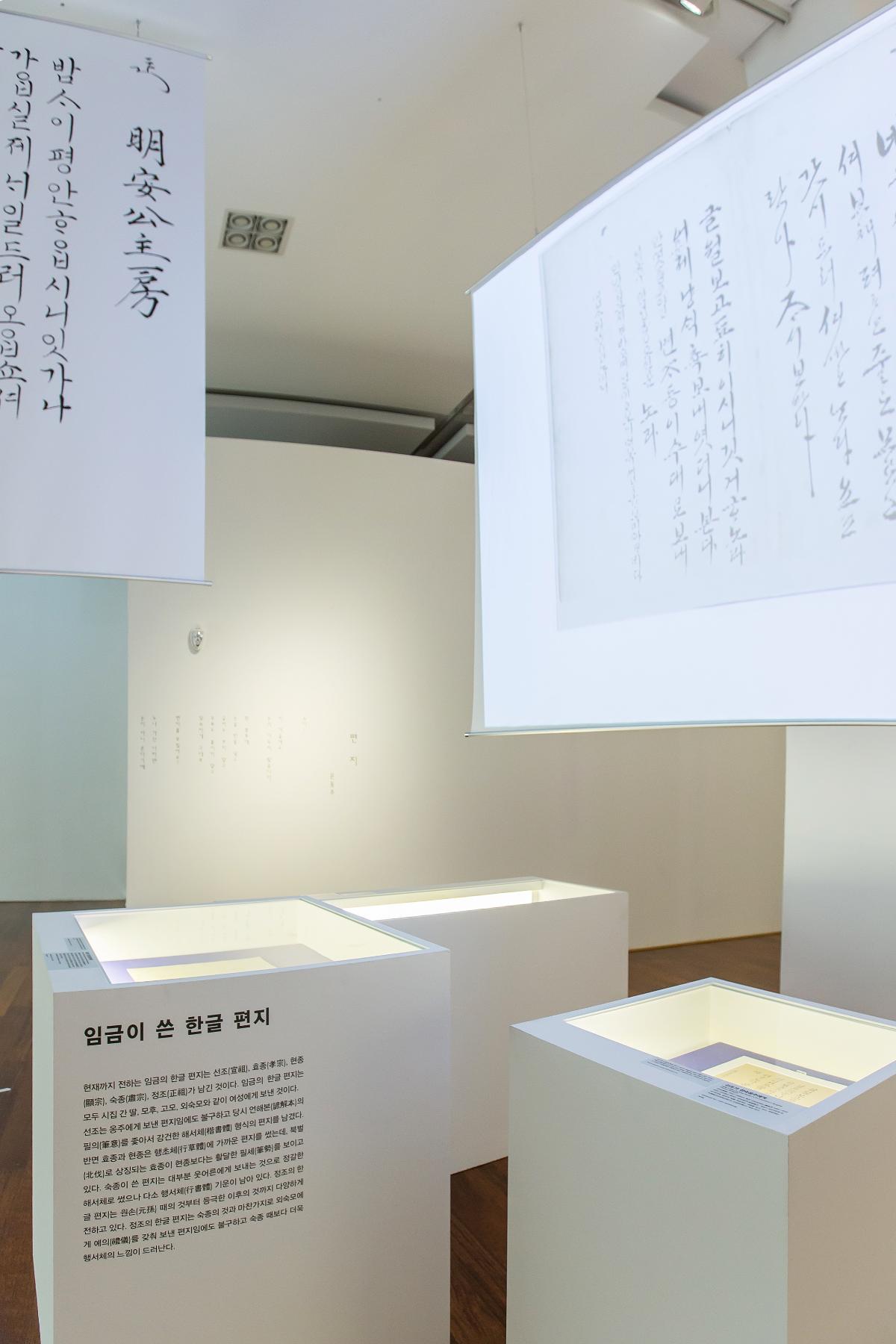
Gungche (the court style of Hangeul calligraphy) was developed from 17th c. to late 19th c. There were court ladies or palace ladies who were female attendants waiting on the monarch and other royalty in a palace. The duties of court ladies varied from court to court. In some courts, court ladies were the servants or slaves of the court. However, some acted as secretaries or companion to their mistresses. Some of them were specialized in even transcribing Hangeul letters for queens and copying Hangeul novels. The court style could be further developed by them.
▲ Letter written by a court lady to the wife of the Russian diplomat in 1886
Letters written by professional authors
True thoughts and feelings are conveyed by Hangeul letters towards the person to whom they were written. Letters written by professional authors are no exceptions.
▲ Letter by a poet, Roh Cheon-myeong to her best friend, Choe Jeong-hi who was also an author
 이 누리집은 대한민국 공식 전자정부 누리집입니다.


 예약하기
예약하기


