 이 누리집은 대한민국 공식 전자정부 누리집입니다.

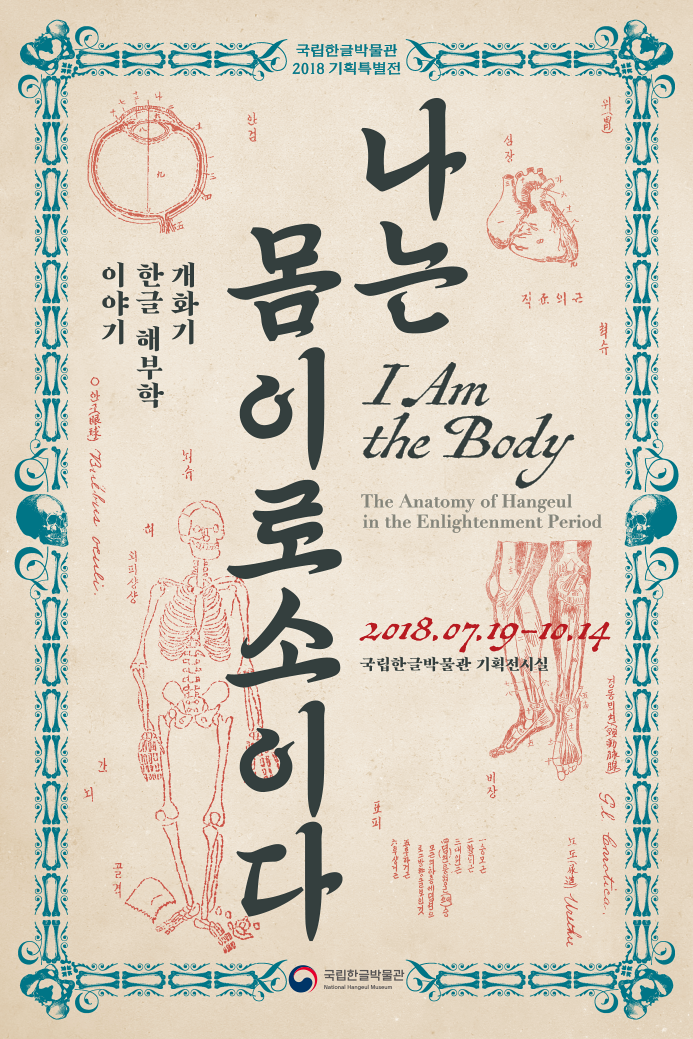
I Am the Body
-
- 기간
- 2018.07.19.(목) ~ 2018.10.14.(일)
-
- 장소
- Special Exhibition Hall (3F)
Introduction
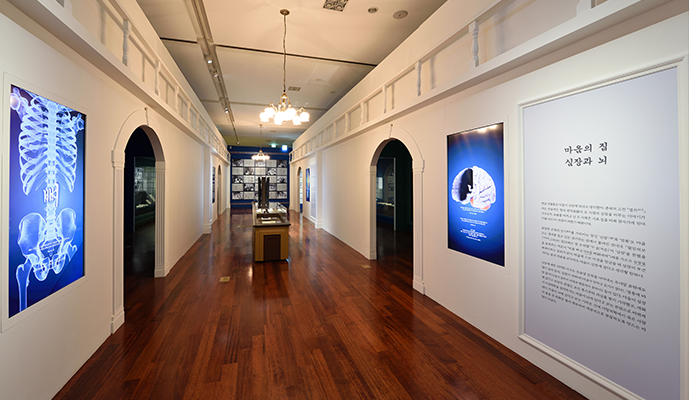
Understanding the human body is essential to understanding ourselves and our surroundings as well as enjoying a healthy life. In this regard, books on the human anatomy offered access to the Western approach to medicine, which is based on scientific examination and analysis of the human body.
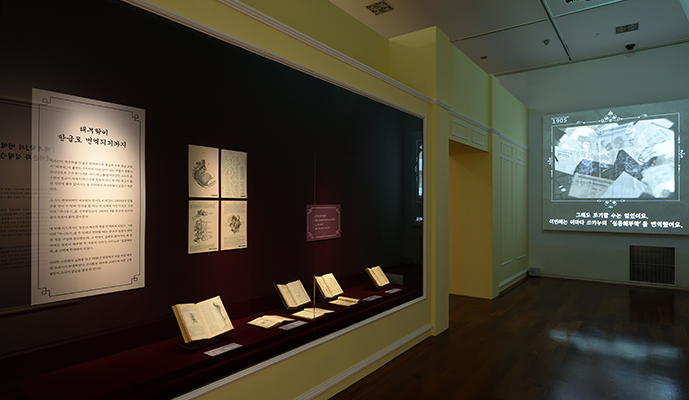
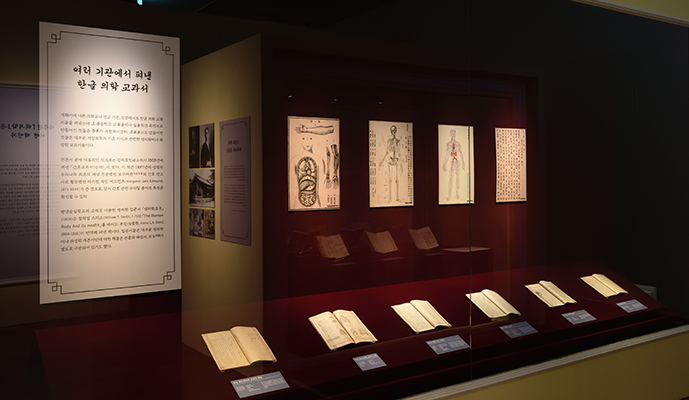
Anatomy (Haebuhak) is the first book on the human anatomy in Hangeul, the Korean script. Published in 1906, it is a translation of a widely read Japanese textbook, Practical Anatomy (Jitsuyo kaibogaku; Siryong haebuhak in Korean), published in 1888. The translator was Kim Pil-sun (1878–1919), one of the first students at the imperial Jejungwon, House of Universal Helpfulness, Korea’s first Western-style hospital and medical school. Kim worked under the guidance of his Canadian missionary professor, Dr. Oliver R. Avision (1860–1956), and Jejungwon published the groundbreaking textbook.
Anatomy introduced scientific investigation and analysis of the human body prevalent in Western medicine. It also epitomized Korea’s brief period of enlightenment before the country became a colony of Japan.
Through Anatomy, this exhibition recalls how Koreans accepted Western medicine, how it changed their language and thought about the human body, and ultimately transformed their lives. It also expresses the significance and value of the now familiar Korean glossary on the human anatomy and the role of Hangeul in absorbing and conveying new ideas and words.
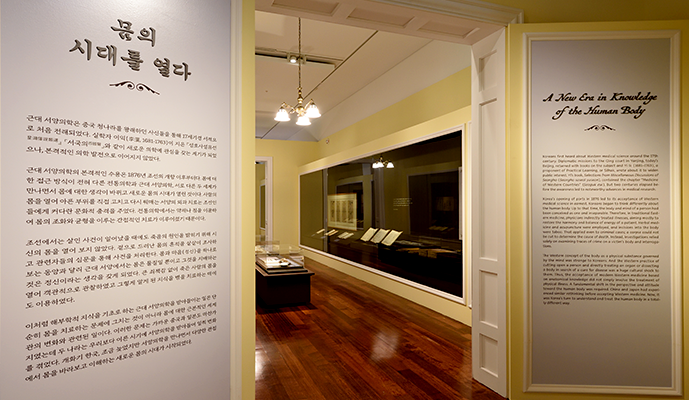
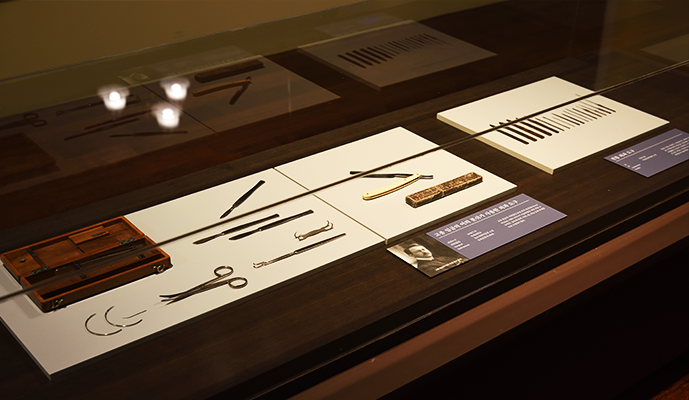
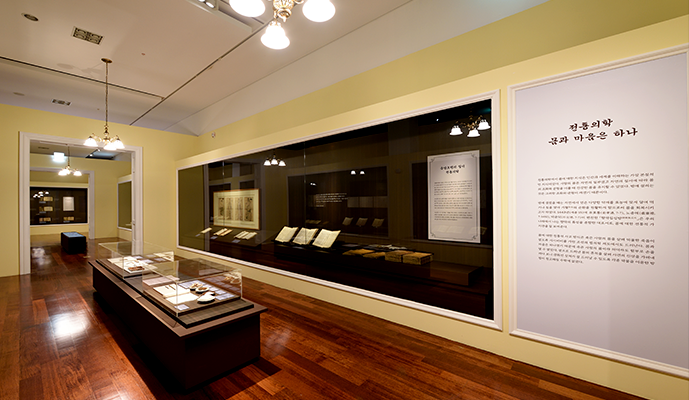
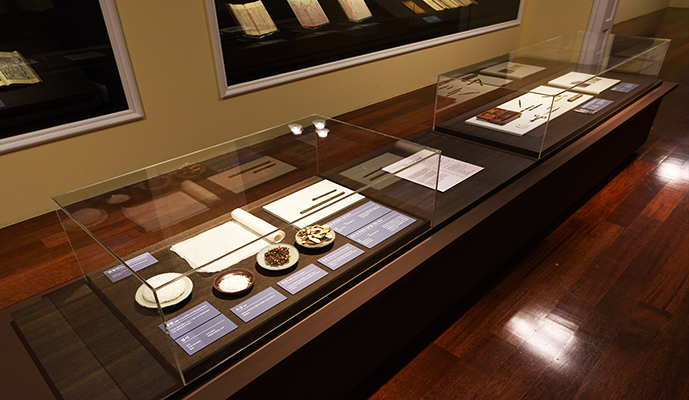
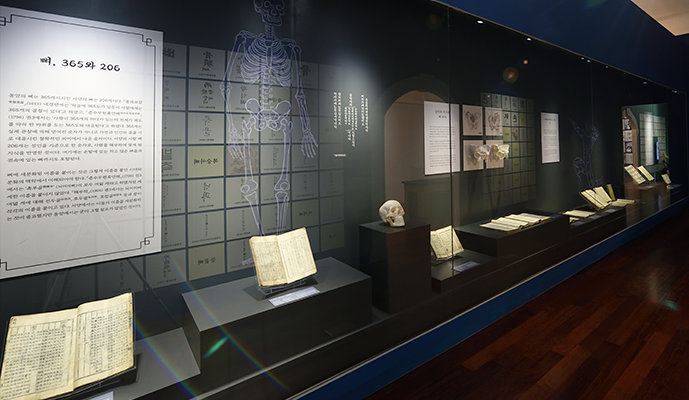
Part I, “A New Era in Knowledge of the Human Body,” recounts how the traditional Korean view of the human body differed from the West and how Korea eventually embraced Western medical science. Jejungwon is highlighted as a historical institution that spearheaded the transition.
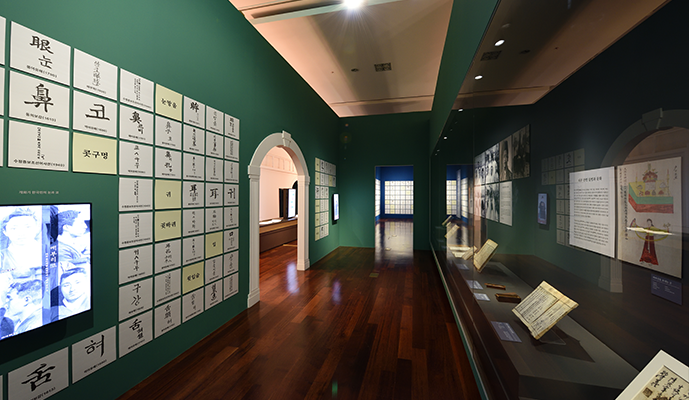
Part II, “Redefining the Human Body,” offers a glimpse into the history of the Korean language and literature related to human body, spanning the invention of Hangeul in the early half of the 15th century to the Enlightenment Period, which began with Korea opening its ports to foreign vessels in the latter half of the 19th century and continued to the early 20th century. Aspects of the Korean language and culture that pertain to the human body and anatomical words that emerged or disappeared are presented.
Part III, “The First Anatomy Textbook in Hangeul,” features a documentary video on Kim Pil-sun and Dr. Oliver R. Avison overcoming their repeated failures to compile and publish a Korean-language anatomy textbook. The linguistic characteristics and value of the Jejungwon edition of Anatomy (Haebuhak) complements the video. The textbook contains many new words related to the human body, most of them borrowed from the original Japanese text, using the same Chinese characters. The book shows how they were adopted with painstaking explanations of new medical terms and concepts.
Photo
담당부서 : 전시운영과 (전화번호 : 02-2124-6324, 6327, 6335)
하단메뉴 영역
 예약하기
예약하기


